1C PROJECT LIFE CYCLE
Lesson 1
1c Project Life Cycle
You are on page 3 of 4 pages
Project Life Cycle
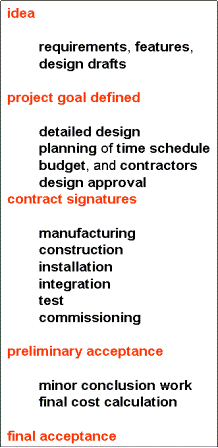
Let us follow the project life cycle of a classical project, like
the construction of a house, from the very beginning to the very end,
and look at it from a generic point of view.
|
It all starts with an idea (of the house), |
We summarize this in the following graphic, emphasizing major milestones in red color.
Looking closer at the project budget or cost, we observe in most real life projects that we end up with a (much) higher final cost than originally planned before contract signatures.
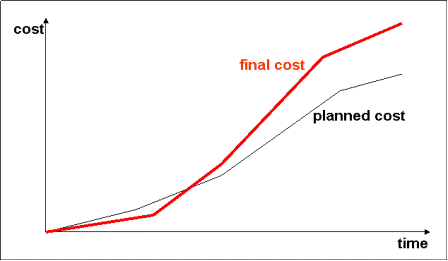
Major reasons for that cost overrun are:
- Unclear project goal(s).
- Insufficient plans, because we want to save time and effort for planning in order to quickly start the "real work".
- Necessary changes to the original design or project plan, due to unexpected events after contract signatures.
|
|
|
Return from 1c Project Life Cycle to Home Page
|
|
|
Your Comments
Have your say about what you just read! Leave me a comment in the box below.